Futuristic Tech Products: 2026 Consumer Expectations

Flashy gadgets are out—2026 shoppers want smarter, smoother, almost magical tech. But what happens when futuristic products finally feel personal?
What Consumers Expect From Futuristic Tech Products in 2026
Have you ever picked up a sleek new device, loved the look, and then felt let down five minutes later? It happens a lot. The future used to mean glowing lights, bold shapes, and flashy demos. But now, that isn't enough.
When people ask about what consumers expect from futuristic tech products in 2026, they're really asking something simpler. Does this thing make life easier, faster, and calmer? That's the shift this article covers, with real examples and clear signals you can actually spot.
Futuristic Tech Now Has to Feel Smart, Useful, and Trustworthy
The clearest answer to what consumers expect from futuristic tech products in 2026 is this. They want products that are intelligent, personal, seamless, privacy-aware, and visibly useful. Not just impressive on a product page.
A futuristic product in 2026 should solve a problem with less effort. It should learn your patterns without feeling creepy. It should connect smoothly with your phone, laptop, car, or home devices. And it should explain what it's doing in plain language.
That marks a real shift from novelty to practical intelligence. A few years ago, buyers were often pulled in by screens, lighting effects, and dramatic concepts. Now they look for proof. Does setup take minutes instead of an hour? Does the assistant remember context from one device to another? Does the product respond right away, or do you stand there waiting?
People still enjoy futuristic aesthetics. Of course they do. Clean edges, polished materials, subtle motion. That all matters. But buyers in 2026 tend to judge the future by behavior, not styling. If a product saves time, reduces friction, and earns trust, it feels advanced. If it only looks advanced, the illusion fades fast.
The 5 Core Expectations: Intelligence, Speed, Personalization, Simplicity, and Trust
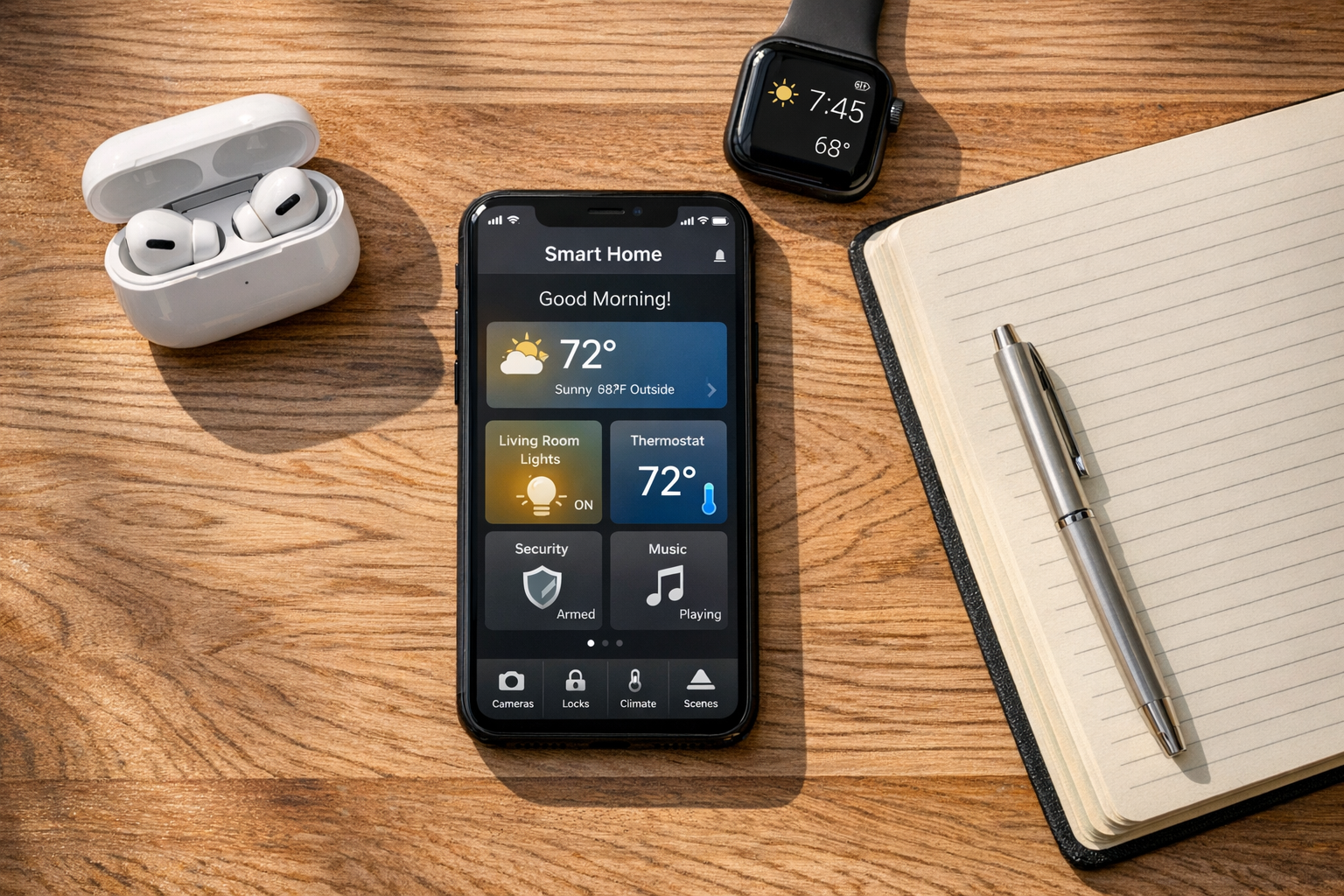
When people think about what consumers expect from futuristic tech products in 2026, five expectations show up again and again. First is intelligence. That means predictive AI, or software that spots patterns and suggests the next step before you ask. A calendar tool that warns you to leave early because traffic changed. A home system that lowers shades before the room gets too hot. That's the kind of smart people now notice.
Speed matters just as much. If you tap, speak, or gesture, the response should feel almost instant. Even a one or two second delay can make a premium product feel oddly old. Low latency, which simply means very little delay, has become part of the experience.
Then there's personalization. Buyers want products that adapt to them, but gently. A fitness app should learn your routine and energy levels. A dashboard should show the controls you use most. But it shouldn't flood you with weird guesses or push too hard. There's a fine line there.
Simplicity ties it all together. Voice and gesture control sound futuristic, but only if they feel natural. If you have to memorize exact phrases, the magic disappears. And trust sits underneath everything. People want smart products, yes. But they also want clear permissions, secure defaults, and honest explanations. Well, actually, that last part isn't extra anymore. It's part of the core experience.
Design Signals That Make a Product Feel Advanced
Design still shapes first impressions. But in 2026, advanced design means less clutter, fewer steps, and more confidence. Consumers respond to minimal interfaces because they feel calm and intentional. One clear action often feels more futuristic than ten tiny icons fighting for attention.
Small details do a lot of work. Clean layouts suggest control. Subtle motion makes a product feel responsive, like it notices you. Premium materials, such as brushed metal, matte glass, or soft-touch finishes, create a sense of precision before the product even turns on. You can feel that difference in your hand, the way a solid hinge closes or how a button gives just enough resistance.
Setup matters more than many brands think. A product feels advanced when onboarding is frictionless. Scan once, confirm a few choices, and you're in. No hunting through menus. No giant wall of permissions with vague wording. Fewer taps can make a product feel years ahead of a feature-heavy rival.
Visual identity still counts too. Futuristic products often use restrained color, sharp typography, ambient lighting, and polished hardware. But buyers are good at reading signals now. They can tell when the design supports the experience and when it's just decoration. The most convincing products don't scream future. They quietly prove it.
Trust Is Part of the Product in 2026
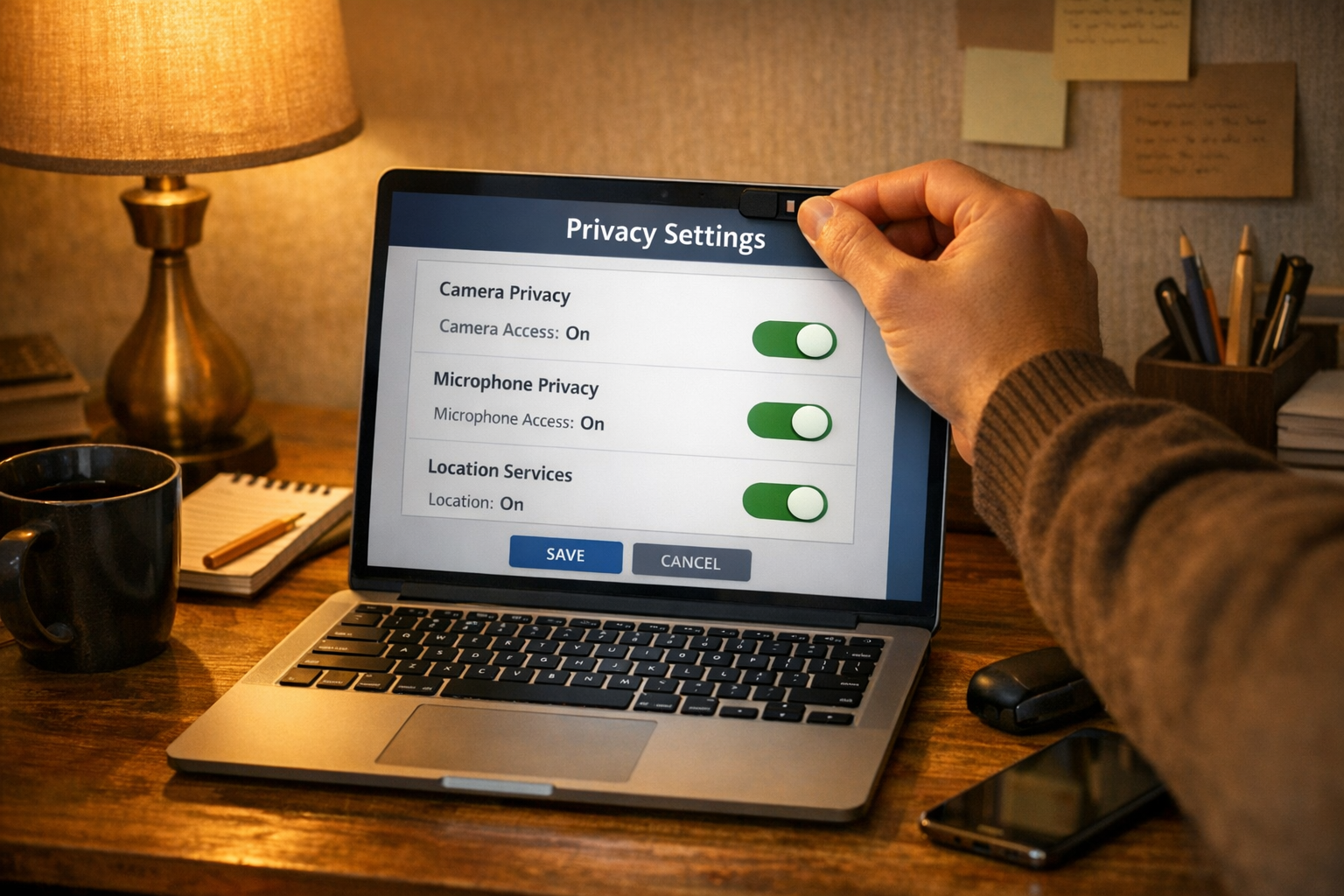
A futuristic product can't just work well. It has to feel safe to live with. That's a big part of what consumers expect from futuristic tech products in 2026, especially when devices are always listening, tracking, syncing, or making suggestions.
Privacy and security are no longer hidden in the settings page. Buyers expect clear permission flows from the start. They want to know what data is collected, why it's needed, and how to turn it off. Secure defaults matter too. If a product starts in the safest mode and lets you open features later, people tend to trust it more.
Transparency has become a design feature. If AI is making a recommendation, users want a plain explanation. Why did the app suggest this route, this workout, or this reminder? Not a technical report. Just a clear reason. That makes the product feel in control, not mysterious.
There are real policy reasons behind this shift. GDPR took effect in 2018 and helped normalize privacy-first product design across many digital experiences. Then the EU AI Act, adopted in 2024, pushed transparency and risk awareness further, especially around how AI systems are explained and managed. So consumers have learned to expect more. And honestly, once you've used a product that tells you exactly what's happening, it's hard to go back.
Real-World Use Cases Consumers Want To See
People don't want futuristic promises floating in space. They want daily proof. That's where what consumers expect from futuristic tech products in 2026 becomes very practical.
Smart home automation, health tracking, productivity support, connected mobility
Smart home automation: Buyers want homes that handle routine tasks quietly. Lights that adjust to time of day, climate systems that lower energy use, and security tools that send the right alert instead of every alert. The goal is less friction, not more screens on the wall.
Health tracking: Consumers want wearables and apps that turn raw data into useful guidance. Better sleep suggestions, early stress signals, and activity coaching that fits real life. Not medical drama. Just timely help.
Productivity support: People expect tools that summarize meetings, sort tasks, draft replies, and reduce app switching. A futuristic product should save mental energy, like a tidy desk after a chaotic morning.
Connected mobility: In cars, bikes, and transit apps, buyers want smart routing, battery or fuel awareness, and seamless handoff from phone to vehicle. They want movement to feel coordinated, not patched together.
What Makes a Product Feel Futuristic vs. Just Stylized
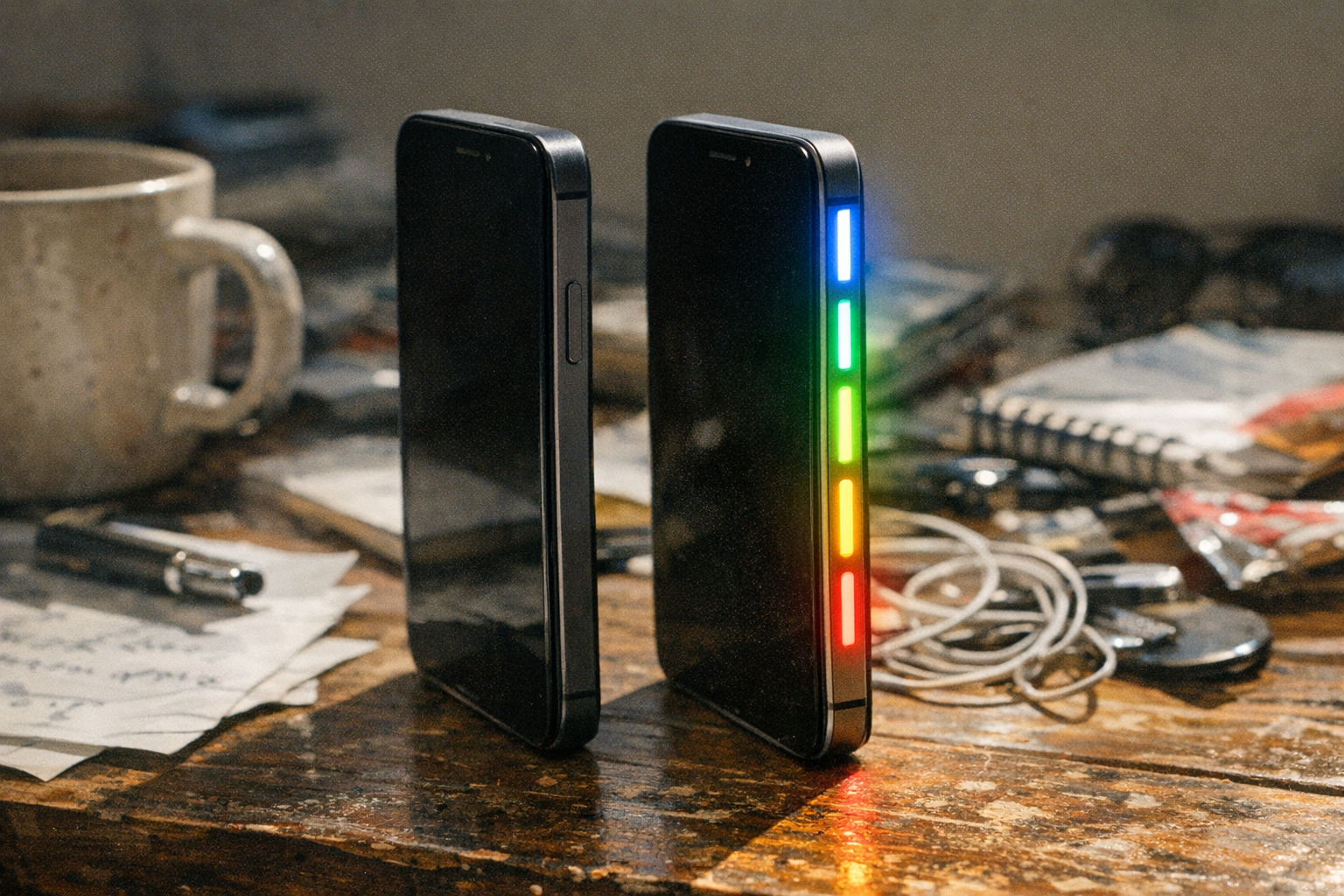
Some products look futuristic the second you see them. Neon accents. Sharp lines. Cinematic animations. Maybe even transparent panels. And that's fine. Style creates excitement. But style alone doesn't carry a product very far.
A product acts futuristic when it adapts in useful ways. Think about a voice assistant. A stylized version recognizes a command if you say it exactly right. An actually advanced version understands that you asked on your phone, continues on your speaker at home, and knows you're referring to the same calendar event you mentioned earlier. That's a huge difference.
The same goes for wearables, dashboards, and smart appliances. A flashy interface may impress in a demo. But in daily life, people care about whether the battery lasts, whether the alerts are relevant, and whether the product stays fast after six months. Reliability is part of the future now.
So the test is simple. Does the product reduce effort, adapt to context, and keep working smoothly over time? If yes, it feels futuristic. If it mostly relies on visual theater, it feels like a costume. Cool for a moment. Then forgettable.
How Brands Can Meet 2026 Consumer Expectations
Brands that want to meet what consumers expect from futuristic tech products in 2026 need to design for real behavior, not just launch-day excitement. The future has to hold up on an ordinary Tuesday.
Product design priorities
- Build predictive usefulness first. Start with features that save time, such as smart reminders, adaptive controls, or context-aware suggestions.
- Design for seamless handoff across devices. A task started on a phone should continue on a laptop, car screen, or wearable without reset.
- Keep response times tight. Aim for actions to feel instant, especially for core controls, search, and voice interactions.
- Make trust visible. Show why AI made a suggestion, what data is used, and how users can change permissions fast.
Execution benchmarks
- Cut onboarding to minutes, not hours. Many buyers will judge a product in the first 5 to 10 minutes.
- Reduce setup steps wherever possible. Fewer screens, fewer passwords, fewer repeated choices.
- Give clear status feedback after each action. Confirm when something synced, changed, or failed, in plain words.
- Keep performance consistent across devices. A premium experience on one screen can't turn clumsy on another.
- Default to privacy-first settings. Let users expand sharing later instead of forcing them to claw it back.
Final Words
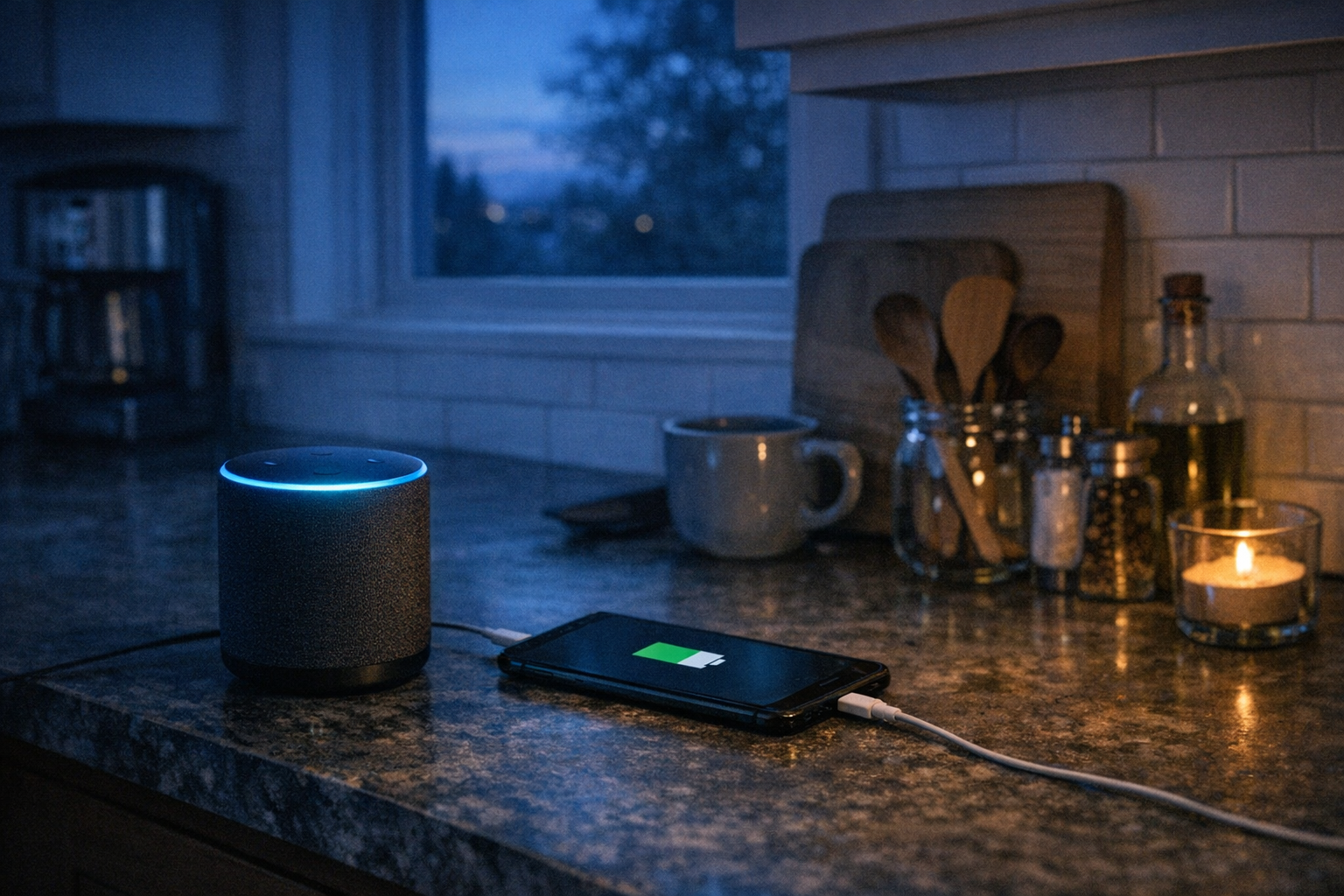
By 2026, the future feels quieter and more useful. That's really the heart of what consumers expect from futuristic tech products in 2026. Buyers want tech that thinks ahead, responds fast, fits their habits, and respects their data.
Looks still matter. But usefulness matters more.
The products that stand out won't just appear advanced. They'll reduce effort, explain themselves clearly, and slip into daily life like they belong there. That's a stronger kind of future, and honestly, a more exciting one too.
FAQ
What do consumers expect from futuristic tech products in 2026?
They expect products to be intelligent, personalized, seamless across devices, privacy-aware, and clearly useful in daily life. In other words, people want tech that works smoothly and earns trust, not just tech that looks advanced.
Which features make a tech product feel futuristic today?
Predictive AI, voice and gesture control, instant responsiveness, minimal interfaces, premium materials, and transparent security all help. The key is that these features need to feel natural and reliable, not forced.
Why do users care more about practicality than novelty in futuristic tech?
Because most people want tech that saves time, reduces stress, and works consistently in real life. A product can look amazing, but if it creates friction, the futuristic feeling disappears fast.