How Smart Lighting Shapes a Futuristic Home
Step into a home that seems to think for itself—where light shifts moods, routines, and surprises you with one secret...
Have you ever walked into a room and felt it shift around you, almost like the house knew what time it was? That's the real appeal here. How smart lighting shapes the atmosphere of a futuristic home isn't about flashy colors or complicated apps. It's about light that adapts. It changes brightness, tone, timing, and zones so a space feels calm in the evening, focused in the morning, and quietly cinematic at night. This guide keeps it practical, so you can see how a more futuristic home can also feel more human.
Light that adapts makes a home feel futuristic
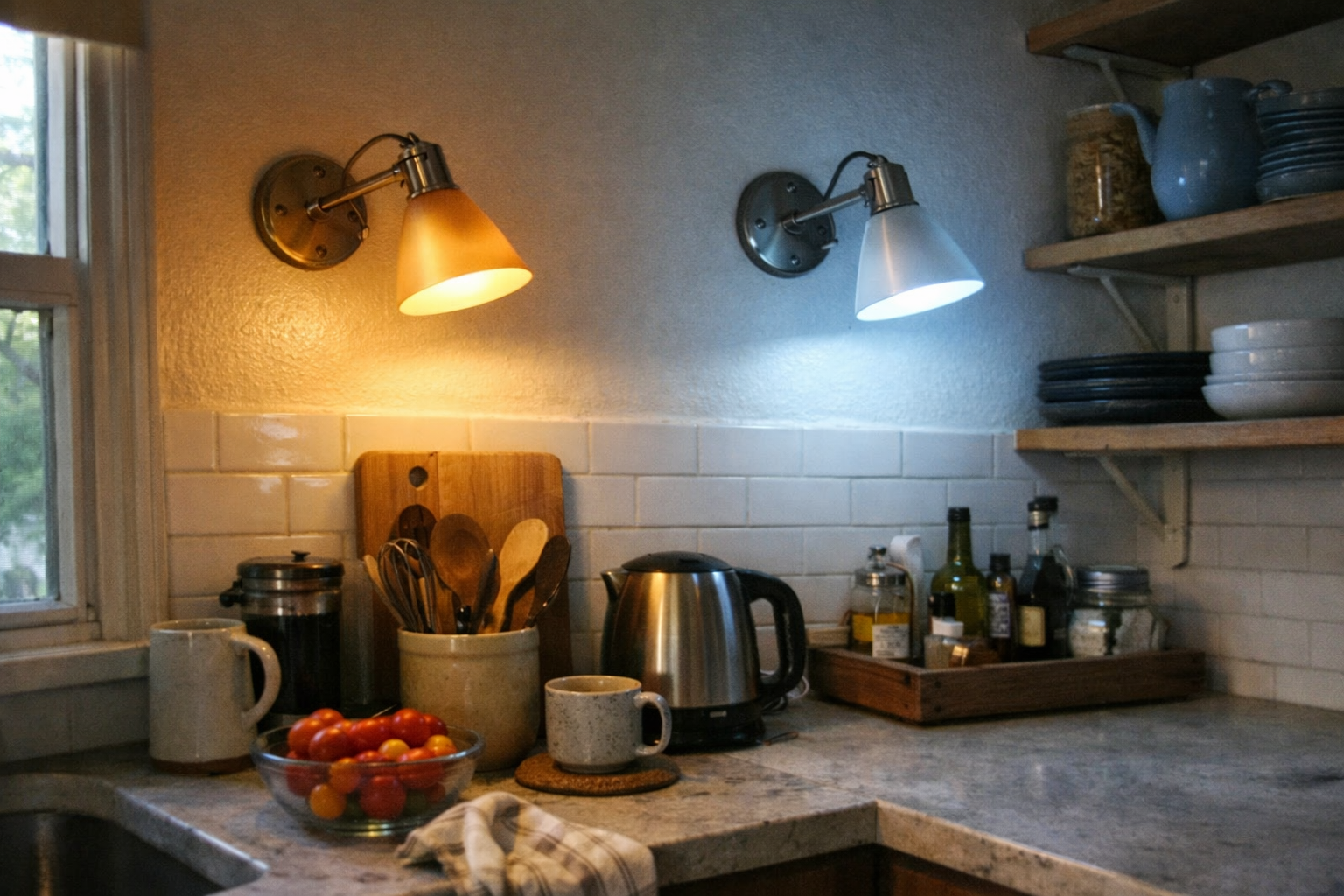
Smart lighting shapes a futuristic home atmosphere by letting light change color, brightness, timing, and zoning to match activity, mood, and design intent. In simple terms, smart lighting is connected lighting you can control by app, voice, schedule, or automation. What matters most for atmosphere isn't the tech itself. It's the way the room responds to you.
Static light vs. adaptive light
Static lighting does one thing. You flip a switch, and the room gets the same light every time. That can work, but it often feels flat. A kitchen looks like a kitchen at midnight and at noon. A bedroom feels equally bright when you're waking up and when you're trying to relax. Not ideal.
Adaptive lighting changes with the moment. It can brighten slowly at 6:30 a.m., cool down to help you focus at 10:00 a.m., then dim and warm up after 9:00 p.m. That responsiveness is what feels futuristic. Not because it's flashy, but because it feels aware.
| Static lighting | Adaptive smart lighting |
|---|---|
| Same output all day | Changes by time, activity, or mood |
| One switch controls everything | Zones and scenes shape different parts of a room |
| Can feel harsh or flat | Feels layered, responsive, and intentional |
| Manual every time | Can run automatically |
The controls that shape atmosphere
A few core controls do most of the work. Brightness is how strong the light feels. Color temperature is whether the light feels warm, like a sunset glow, or cool, like daylight. Warm light often sits around 2700K to 3000K and tends to feel restful. Cooler light around 4000K to 5000K usually helps with focus and clear visibility.
Color can add mood, but in most homes, subtlety works better than neon effects. Scheduling tells lights when to change. Zoning lets one part of a room stay bright while another stays soft. Automation ties it all together, so the home adjusts without asking for attention every five minutes.
Why dynamic scenes feel more modern
Dynamic scenes make a room feel designed instead of merely lit. That's a big difference. A scene is just a saved set of lighting choices, like 40 percent warm light in the living room for evening reading, or bright neutral light over the kitchen counters for meal prep.
This is how smart lighting shapes the atmosphere of a futuristic home in a way people actually notice. The house feels more ordered. More immersive. More alive. You stop thinking about bulbs and start noticing that the room supports what you're doing. That's where the futuristic feeling really comes from.
Why light changes mood and the way a room feels
Light changes more than visibility. It changes how a room sits in your body. Warmer light usually feels softer and calmer, a little like candlelight or late afternoon sun. Cooler light feels sharper and more alert, which is why it often works better for cooking, working, or getting ready in the morning.
Brightness matters too. A room that's too bright can feel exposed and tiring, especially at night. A room that's too dim can feel muddy and closed in. Dimming helps you control that edge. Have you ever noticed how a lamp at 35 percent can make the whole room feel quieter? Same furniture, same walls, different atmosphere.
Contrast also changes space perception. If every light in a room is equally bright, the room can feel flat. But when the walls are gently lit and one shelf or artwork gets a little extra focus, the space gains depth. It feels more architectural, more intentional.
Layered lighting helps with this. Instead of flooding a room from one point above, you spread light in a few places so the eye moves naturally. That simple change can make a small room feel larger and a plain room feel more refined. It's subtle. But powerful.
How to build layered lighting for a modern, futuristic look
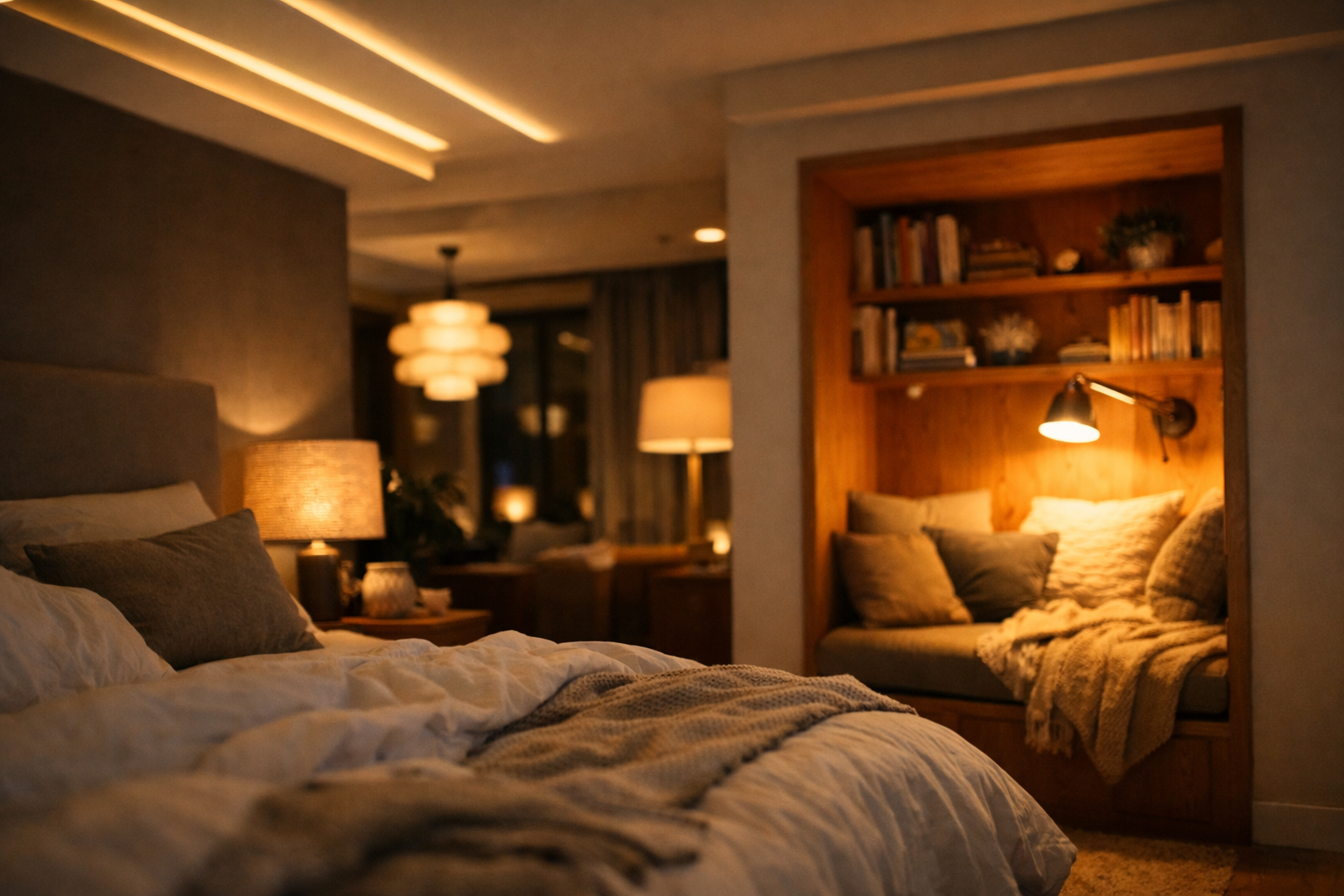
A futuristic home doesn't need dramatic color effects. It needs control, depth, and restraint. That's where layered lighting helps. Rather than relying on one bright ceiling fixture, you build the room from different light roles that work together.
Ambient, task, and accent light
Ambient light is the base layer. It gives the room its general glow. Task light is focused light for real activities, like reading, chopping vegetables, or working at a desk. Accent light adds shape and emphasis, maybe on a shelf, wall texture, or piece of art.
When these layers work together, the room feels balanced instead of washed out. Ambient light keeps things comfortable. Task light makes the space useful. Accent light creates that sleek, futuristic depth people often want but can't quite name.
Zones and balance
Zones split a room into useful parts. In an open living room, for example, the sofa area can stay at 35 percent warm light while a reading chair has a brighter lamp and a media wall glows softly behind the screen. That keeps the space minimal while still flexible.
This is one of the clearest examples of how smart lighting shapes the atmosphere of a futuristic home. One room becomes several moods without adding visual clutter. Wait, let me clarify. The goal isn't more lights. It's smarter behavior from the lights you already have.
A few good setup rules help:
- Use ambient light for overall comfort, then add task and accent light in smaller amounts.
- Keep accent lighting subtle so the room feels deep, not theatrical.
- Put the brightest light where work happens, not in every corner.
Common mistakes to avoid
The most common mistake is harsh overhead light that blasts the entire room evenly. It flattens surfaces and creates glare on screens, counters, and glossy finishes. Another mistake is using very saturated colors too often. Deep blue or magenta can look fun for ten minutes, but it rarely feels livable every night.
Abrupt scene changes can also break the illusion. If lights jump from 100 percent cool white to 20 percent amber instantly, it feels mechanical. Softer fades feel more natural. Try transitions over 3 to 10 seconds for normal scene changes, and longer for wake or sleep routines.
Lighting scenes for waking, working, relaxing, and entertaining
Scenes are where smart lighting becomes real life. A wake-up scene might start 15 to 30 minutes before your alarm. The bedroom slowly moves from very dim warm light to a brighter, softer white, like sunrise coming through a window. It feels gentler than a sudden lamp turning on, and your body usually handles it better.
For work, brighter and cooler light helps. In a home office or kitchen nook, try a scene with neutral to cool light around 4000K and enough brightness to keep shadows off your hands and screen area. Not cold, just clear. It can make a room feel crisp and mentally active.
Evening scenes should do the opposite. Lower brightness. Warmer tones. More contrast, less flood. In a living room, that might mean ambient light at 30 to 40 percent, a reading lamp at 60 percent, and a soft accent strip behind a shelf or TV wall. The room feels settled, almost like the visual version of quieter music.
For guests or dinner, keep things flattering and easy. Warm light around 2700K to 3000K usually works well. Let the table or seating area hold a little more brightness than the background. That creates focus without feeling staged. And late at night, drop hallways and bathrooms to very low levels so the house guides you without fully waking you up.
How automation creates an adaptive home
Automation is what makes the atmosphere feel effortless. You don't have to keep adjusting every bulb. The home simply shifts with the day. That's a big part of why it feels advanced. Not louder. Smarter.
A simple routine can start before 7:00 a.m. Bedroom lights brighten slowly over 20 minutes. Kitchen lights come on brighter and cooler at breakfast time. By evening, the system switches to a default mode around 30 to 50 percent brightness with warmer tones. After midnight, it can fall even lower, maybe 10 to 20 percent in hallways and bathrooms, to reduce visual strain.
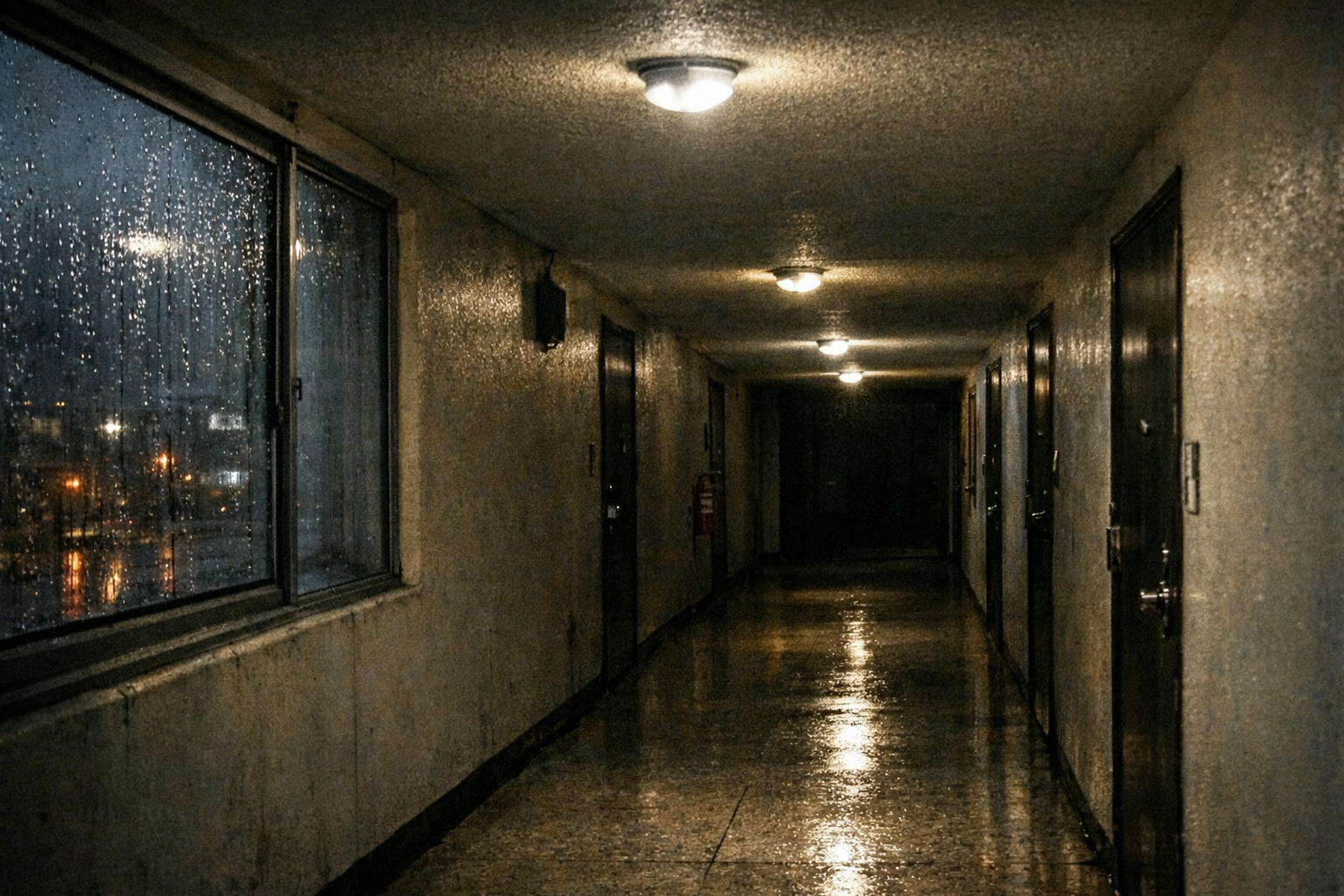
Motion-based lighting is especially good in transition spaces. In an entryway, a subtle light can rise when the door opens, then fade after a minute or two. In a hallway, low-level motion lighting gives quiet guidance at night. That feels futuristic in the best way because it supports you without becoming a show.
Time-based scenes also create continuity. At 9:00 p.m., the living room softens. At 11:00 p.m., the home enters night mode. Those changes teach the house a rhythm, and that rhythm changes how it feels to live there. This is how smart lighting shapes the atmosphere of a futuristic home day after day, through comfort more than spectacle.
Room-by-room lighting choices that feel futuristic but livable
Different rooms need different behavior. That's what makes a home feel polished instead of overdesigned. One lighting style for every room usually misses the point.
| Room | Best atmosphere approach | Suggested behavior |
|---|---|---|
| Living room | Flexible and layered | Warm ambient light, dimmable accents, brighter task light near seating |
| Bedroom | Soft and calming | Low-glare warm light, sunrise wake scene, very dim night path lighting |
| Kitchen | Clear and practical | Brighter task zones, neutral to cooler light for prep, softer evening mode |
| Entryway | Welcoming and restrained | Motion-based light, moderate brightness, warm tone in the evening |
Living room
The living room works best when it can shift roles. You might watch a film, read, talk with friends, or just sit quietly. So give it flexible layers. Keep the main ambient light moderate, around 30 to 50 percent in the evening, and use subtle accent lighting to add depth behind shelving or media areas.
Bedroom
Bedrooms should feel low-glare and easy on the eyes. Warm light is usually the right move here, especially at night. A gentle sunrise scene in the morning and a 20-minute wind-down fade at night can make the room feel far more advanced than a bright central bulb ever will.
Kitchen
Kitchens need visibility first. Counters and sinks should be brighter than the rest of the room, with neutral or slightly cooler tones that help you see food, surfaces, and tools clearly. But after dinner, the same room can shift to a softer scene so it doesn't feel like a workspace all night.
Entryway
Entryways set the tone fast. A restrained motion-based light, especially in the evening, creates a clean first impression. Not dramatic. Just smooth. When the space brightens gently as you arrive, the whole home feels more considered.
Final Words
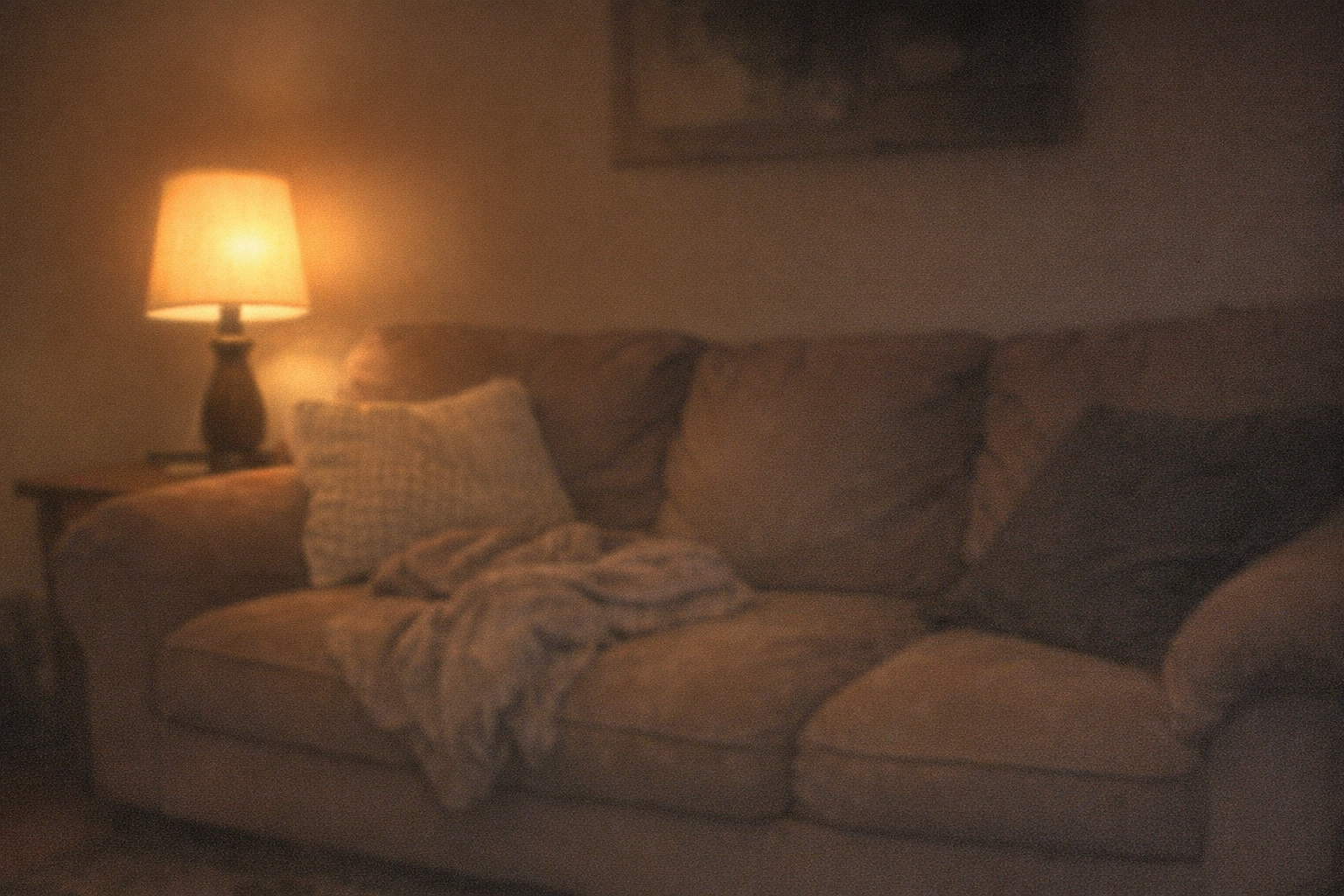
Start with behavior, not gadgets. That's the clearest lesson in how smart lighting shapes the atmosphere of a futuristic home. When brightness, tone, timing, and zones work together, rooms feel more calm, more useful, and more alive.
You don't need a complicated setup. A few layered lights, one or two scenes, and simple automation can change the mood of a home in a very real way. The best futuristic spaces don't feel cold. They feel responsive, clear, and easy to live in.
FAQ
What makes smart lighting feel futuristic in a home?
It feels futuristic when the lighting changes with time, activity, and mood instead of staying fixed. Brightness, color temperature, zoning, and automation make the home feel responsive rather than static.
Which lighting settings create the best atmosphere for different rooms?
Bedrooms usually work best with warm, dim, low-glare light. Kitchens need brighter, clearer task lighting, while living rooms benefit from layered and flexible scenes, and entryways often feel best with subtle motion-based lighting.
Can smart lighting improve both comfort and the look of a space?
Yes. It can reduce glare, support better routines, and add visual depth through layering and dimming. That makes rooms feel more comfortable while also looking more refined and intentional.